MODERN ART

Ashwini has always been deeply immersed in the world of Modern Art, a movement that is traditionally attributed to the period between the 1860s (some argue the 1880s) and the late 1960s (with some interpretations limiting it to the 1950s). Art created after this time, including conceptual, minimalist, postmodern, and feminist art, is categorized as contemporary. Beyond these temporal distinctions, there are notable conceptual and aesthetic differences between the two phases. The term “modern” art was coined because it represented a departure from established artistic traditions and rejected the influence of traditional art academies. The Modern Art movement in India commenced in the early 1900s, following a unique trajectory. In contrast to many global modern artists who aimed to establish a personal artistic voice, the journey of Indian modernism began with artists who sought to create distinctly Indian art.
These early Indian modernists were significantly influenced by the Swadeshi movement, a push for economic self-reliance and cultural identity during India’s struggle for independence. Visionaries like Rabindranath Tagore and Nandalal Bose rejected the Western concept of naturalism, which was prevalent in Raja Ravi Varma’s works. Instead, they drew inspiration from Indian mythology and religion to infuse their art with a profoundly Indian character. This emphasis on preserving India’s cultural identity and creating art rooted in its traditions was a reflection of the Swadeshi movement’s ideals. It was not only limited to visual art but also extended to literature, music, and other forms of creative expression. The Indian Modern Art movement, as such, was a vital component of India’s cultural renaissance during this era. Art created during this period can be seen as a subset of the broader Modern Art movement, distinguished by its commitment to preserving and celebrating India’s rich cultural heritage. This unique blend of modernism and cultural authenticity has left an enduring mark on Indian art and continues to inspire contemporary artists in India and across the globe.
contemporary art

Contemporary Art means art of the moment. A key distinction between modern and contemporary art was a shift in focus away from aesthetic beauty to the underlying concept of the work (conceptual art and performance art are good examples). The end result of a work of contemporary art became less important than the process by which the artist arrived there, a process that now sometimes required participation on the part of the audience.
In the news

Handcoloured Photographs BY RAJESH SONI
ARTSPEAKS INDIA, 2021
Handcoloured Photographs or Indian painted photographs began to be produced in the nineteenth century, only few years after the introduction of photography to India.

This new exhibition in Delhi marries art with poetry to spectacular result
ELLE – 7 APR, 2021
New Delhi’s favourite home of all things art-related, Bikaner House, is currently showcasing One Soul Many Lives, an exhibition set to the lyrical poetry of Laxmana Dalmia.
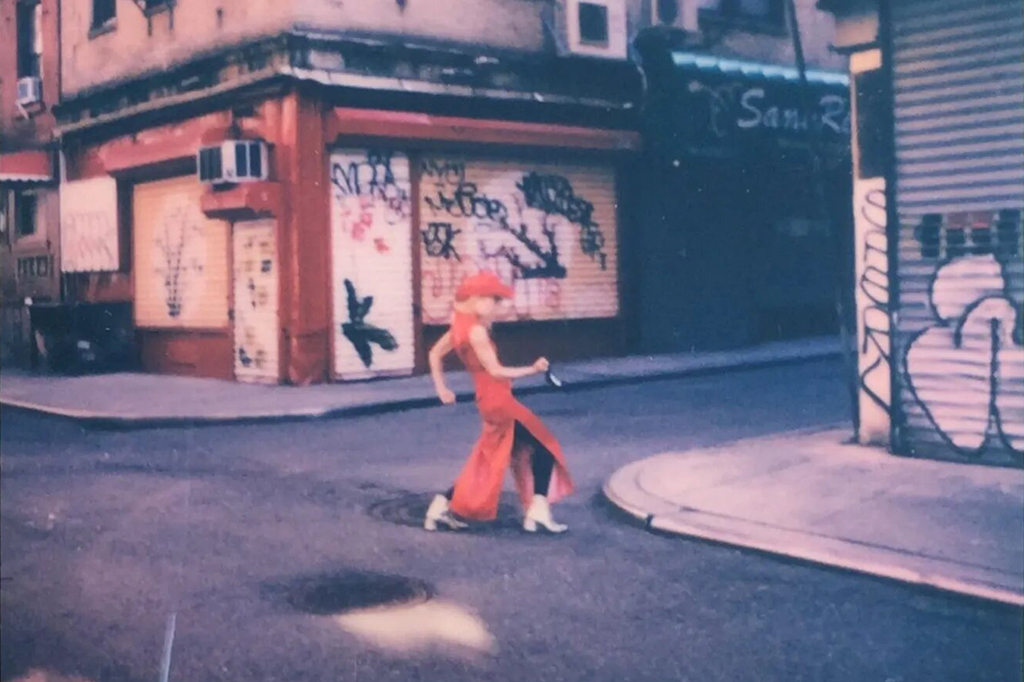
“Poetry of Lived Spaces: A Brush with the Lens” at Artspeaks India
VOGUE – 29 OCT, 2021
Curated by Georgina Maddox, Artspeaks India’s virtual exhibition is a reflection on how the pandemic transformed the lived realities of people across the world. The diversity of these spaces around the world
‘One Soul Many Lives’ attempts to link fine arts to words
INDIANEXPRESS – 10 APR, 2018
Filmmaker Laxmana Dalmias first book of prose-poetry “One Soul Many Lives” that attempts to link fine arts to words in its pages was launched here at the Bikaner House.
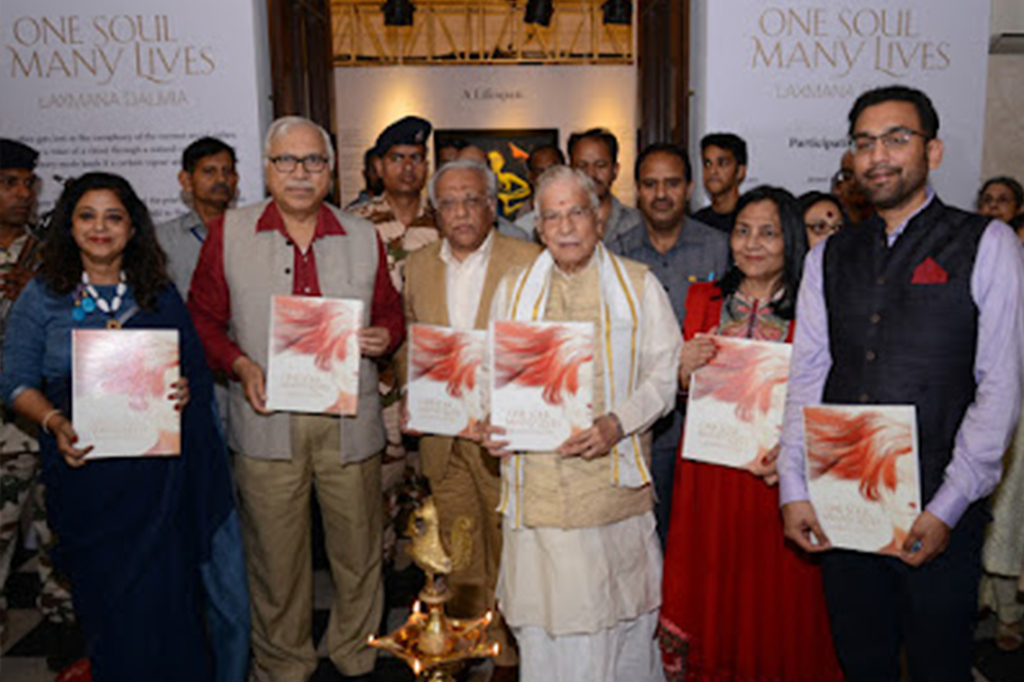
Poetess Laxmana Dalmia’s debut book One Soul Many Lives launched with much aplomb
MATTERS OF ART – 10 APR, 2021
Proving the idiom that creativity knows no bounds, author, film maker and poet Laxmana Dalmia’s first book of prose-poetry One Soul Many Lives got launched at The Bikaner House by stalwart leader Dr Murli Manohar Joshi on April 6, 2018.
 Ashwini Pai Bahadur